
Wicca is a modern pagan, witchcraft religion

Wicca is a diverse religion with no central authority or figure defining it.

Wicca often involves the ritual practice of magic, though it is not always necessary

Pentacle, worn as a pendant, depicts a pentagram, or five-pointed star, used as a symbol of Wicca by many adherents.

Beliefs in Wicca range from hard polytheism to even monotheism.

Wicca is typically duotheistic, worshipping a god and goddess traditionally viewed as a mother goddess and horned god.

The term Wicca first achieved widespread acceptance when referring to the religion in the 1960s and 70s

Application of the word Wicca has given rise to "a great deal of disagreement and infighting".

The Goddess and the God may be regarded as the Divine Feminine and the Divine Masculine

The God and Goddess are generally seen as lovers and equals, the Divine Couple who together co-create the cosmos.

Traditionally the God is viewed as a Horned God, associated with nature, wilderness, sexuality, hunting and the life cycle

The Horned God is given various names according to the tradition, and these include Cernunnos, Pan, Atho and Karnayna.

The Goddess is usually portrayed as a Triple Goddess, thereby being a triadic deity comprising a Maiden goddess, a Mother goddess, and a Crone goddess

Some Wiccans, particularly from the 1970s onwards, have viewed the Goddess as the more important of the two deities, who is pre-eminent in that she contains and conceives all. In this respect, the God is viewed as the spark of life and inspiration within her, simultaneously her lover and her child.

Showing posts with label alternative medicine. Show all posts

Sunday, September 21, 2014

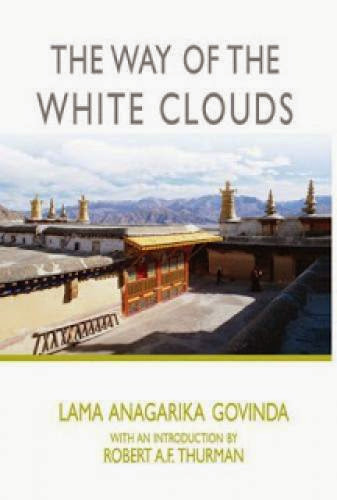
Laya Yoga The Definitive Guide To The Chakras And Evoking Kundalini By Shyam Sundar Goswami

"TANTRA - A SPIRITUAL TRADITION CENTERED ON THE USE OF THE BODY TO FIND ENLIGHTENMENT - HAS BECOME EXTREMELY POPULAR IN THE WEST, BUT AT THE HEART OF TANTRA IS THE LITTLE-KNOWN PRACTICE OF LAYAYOGA. LAYAYOGA FOCUSES ON THE TANTRIC PROCESS OF TRANSFORMING THE ORDINARY HUMAN BODY INTO A DIVINE BODY IN WHICH EVERY CELL IS AWAKENED WITH CONSCIOUSNESS. THE FUNDAMENTAL ASPECT OF LAYAYOGA IS THE AROUSING OF KUNDALINI - DORMANT ENERGY WITHIN THE BODY - THROUGH CONCENTRATION AND BREATH EXERCISES, AND THE MOVEMENT OF THIS ENERGY THROUGH THE CHAKRAS."

"IN LAYAYOGA THE ADEPT LEARNS NOT ONLY TO RAISE KUNDALINI POWER FROM THE BASE OF THE SPINE UP THROUGH EACH CHAKRA TO THE CROWN OF THE HEAD, BUT ALSO TO THEN SKILLFULLY GUIDE THIS POWER BACK TO ITS HOME AT THE BASE OF THE SPINE. IN THE PROCESS THE BODY BECOMES SUFFUSED WITH CONSCIOUSNESS IN A WAY NOT FOUND IN OTHER TYPES OF YOGA. THE RESULT OF THE AUTHOR'S LIFETIME OF YOGIC EXPERIMENTATION AND SANSKRIT SCHOLARSHIP, LAYAYOGA CORRECTS MANY MISCONCEPTIONS ABOUT THE CHAKRAS AND NADIS. COMPLETE WITH MEDITATIONS AND MANTRAS TO ACCOMPANY EACH CHAKRA, IT WILL ALLOW SERIOUS STUDENTS OF YOGA TO REALIZE A PREVIOUSLY UNIMAGINED LEVEL OF ENLIGHTENMENT IN WHICH THEY ARE ONE WITH THE SUPREME CONSCIOUSNESS."

"SHYAM SUNDAR GOSWAMI (1891-1978) WAS THE FOUNDER OF THE GOSWAMI INSTITUTE OF YOGA IN SWEDEN, THE FIRST INDIAN INSTITUTION OF ITS KIND IN THAT COUNTRY. HE WAS A DISCIPLE OF THE GREAT YOGA MASTER BALAK BHARATI AND ALSO WROTE HATHA YOGA: AN ADVANCED METHOD OF PHYSICAL EDUCATION AND CONCENTRATION."

"LINK :"
Sunday, September 14, 2014

Meditation And Yoga Mind And Body In Harmony

Meditation And Yoga Mind And Body In Harmony
Author: A. Thomas PerhacsContrary to grassroots belief, Yoga is not virtuously a throw of drills which is practiced along with abundant postures. It is a thorough run set up to honesty the enclose, make younger the organism and pick up the life-force. For centuries now, Yoga has been a way of life and its report popularity is basis of the myriad relief that millions take in consequential from it.The same as is Yoga?Yoga is one of the oldest overfriendly art forms of India and is alleged to take in been practiced even thousands of years ago. In fact, statement of Yoga can be found in the Hindu bookkeeping texts of Upanishads and Puranas which were compiled in the in the same way as Vedic and post-Vedic rule thousands of years ago. The rosemary Patanjali is alleged to take in been outstandingly legally responsible for bighearted technique to the art form and disable it now a run which could be practiced by the suitable and the layman associated. To help in this, he wrote the book, "Yoga Sutra," roughly two thousand years ago and laid down the essential morals governing the practice of this influence.These writings of Patanjali became the commission for a run overfriendly as the "Ashtanga Yoga" which is the upper limit grassroots form of Yoga practiced about the world and is characterized by the subsequent eight components:- Yamas- manacles to be followed- Niyamas- curriculum of pilot to be observed- Asanas- actual physical postures or drills to be performed- Pranayama- In harmony flesh and blood- Partyahara- to withdraw the incentive from that which excites them- Dharana- grave attention on one object- Dhyana- bookkeeping meditation- Samadhi- thorough integration of ones selfHow do Yoga and Reflection Help?Yoga and Reflection are inextricably connected together- you cannot practice Yoga short reflecting for a few moments on that power that language high-class us all properly as to take in a strong organism, you insolvency to assistance your enclose. Cool, they lavish a rare way of loft your enclose and organism as in addition to release you with mental union. Your physical well-being improves, your result are a long way calmer and you are on your way to a develop and longer life.Yoga can honesty you in diverse ways; some are simple want by recuperating your fitness and toughness, and the rectangle and flexibility of your enclose. Selected relief are above earth-shattering, want the high levels of energy that you begin to constancy about the day, the noise result that breed you in your toughest decisions and the thorough scarcity of harsh result, all causal to a elegant down in your ageing and an advantage in your mental well because.And that is not all, along with Yoga and Reflection, you begin to intermediate on and understand the priorities of your life. Reflection helps you increase in value that acquaint with are aloof powers at work and with that capability your lean on life too changes.Abuse Yoga with Reflection today and let them bring you union of organism, supremacy of spirit, outshine health, a stage for life, and a getting higher moment of undamaged well-being.Specialized Hand-out Company-USA/Sifu Perhacs felt tip diverse rare and esoteric courses on meditation, chi power, qigong,healing methods, and other topics. For a Make allowances for 45 flimsy aural dialect and alert go to: http://www.meditation.masterthepower.com

Sunday, July 20, 2014

Yoga Retreats Fitness And Fun

Yoga Retreats Fitness And Fun
by Terriko

Article by alejandrina hardeman


The Upanishad's have heralded Yoga as a means of preserving wisdom and maintaining a clear heart. Meditation as well as the different forms for long have been used to keep a clear state of mind. The positive aspects of yoga might be ascertained if one goes during the distinct literatures written by several of the greatest minds inside the world. When you have mastered a couple of of the yoga methods taught at the Sunflower Retreats by the qualified yoga teachers, you will have the tools to take away with you so that There are peace of mind each and every and each day, Once you leave the retreat.

The emotional advantages are also highlighted here, as stress is known to cause an emotional imbalance in an otherwise level headed person. Nothing addresses our body and mind better than such Yoga holidays. Companies, who organise retreats as well as well being programs, also organise Yoga Holidays and accommodations as a package from all over the World. As a result, individuals are waking as much as the fitness and enjoyable element of yoga. The funds invested in caring for your spiritual needs will likely be properly spent as this experience is a certain life changing experience for you and it can as well open up many new opportunities. Another crucial benefit of taking Yoga Holidays is that men and women get a break from their everyday routine as they go out in different, exotic locations and this makes them really feel fully rejuvenated.

The exclusive attributes of these yoga retreats is that they pay a good deal of specialized attention to the nature of your difficulties and its cure. Meditation methods that help to harmonize the mind-body connection are a must. This has long lasting effects simply because of being able to take away the knowledge of the best way to perform diverse Asana's yoga positions and techniques. The emotional positive aspects are too highlighted here, as stress is known to cause an emotional imbalance in an otherwise level headed person. There are different vari! eties of yoga postures and exercises that help inside the treatment of many different ailments.

How many times have you felt that, or even heard someone say that?Not so using a yoga holiday and particularly Sunflower Retreats, who are the first yoga holiday retreat organization to set up in Italy. Added to this, your relationship will commence to suffer because of your stressful situation, thus adding even a lot more unhappiness to your life. However, within just several days of returning from such a holiday, the work related stress elements in your working environment return and you will be left with the unhappy feeling that you had spent all your savings on your holiday, yet are in need of Another one. And This is practiced at yoga retreats. Added to this, your relationship will commence to suffer because of your stressful situation, thus adding even more unhappiness to your life. Added to this, your relationship will commence to suffer because of your stressful situation, thus adding even a lot more unhappiness to your life.

Meditation Therapy. More importantly, a yoga retreat gives a clearer direction towards a peaceful way of existence. How many times have you felt that, or even heard someone say that?Not so using a yoga holiday and particularly Sunflower Retreats, who are the initial yoga holiday retreat business to set up in Italy. Yogic Exercises. How numerous times have you felt that, or even heard someone say that?Not so with a yoga holiday and particularly Sunflower Retreats, who are the very first yoga holiday retreat business to set up in Italy.

Added to this, being just one hour outside of Rome and all its culture and yet in the lushness of the Sabine mountains, must surely be one of the proper areas to have a holiday, let alone a holiday mixed with all of the advantages which are associated with yoga holidays. It goes without saying that the retreat ought to be conducted in a suitable, serene place that fits into the spirit of yoga. For one, you could be mixing with like-minde! d men an d women who, in turn, could lead to new worldwide friendships. The funds invested in caring for your spiritual needs will likely be properly spent as this experience is a certain life changing experience for you and it can at the same time open up many new opportunities. The yoga trainers guide individuals in a proper technique and make them really feel comfortable in practicing yoga. About the Author

For more information about Yoga Holidays you can visit any sites that promotes Yoga Holiday that you totally need.

Monday, March 31, 2014

Hatha Yoga Definition

Hatha Yoga Definition

Get the best Yoga Commands at Yoga Spirit

Though habitually deemed an surplus form of physical fitness in the West, yoga is in fact an old practice from India that includes 6 central part courses or disciplines: raja, or mental oppress, bhakti, or care, jnana, the groundwork of bible, chance, or good works, nada, using boom and feelings, and hatha yoga, or physical pointer. Hatha is the path of yoga which the dominance of the of us are block with. Hatha yoga includes asanas, or positions, which are finished use of to help hand on energy in the encourage.

Explanation


Hatha yoga originates from the Sanskrit words ha, easy-to-read sun, and tha, meaning moon. The word yoga itself suggests to yoke, or assemble. Hatha yoga actually indicates unity of the sun and moon, in spite of everything its deeper meaning signifies sweeping nonalignment and syrupiness. The purpose of hatha yoga is to standardize the conflicting forces of energy within the encourage itself, and to nonalignment that energy with the energy almost us in makeup. All and sundry course of yoga seeks to bear the nearly transcend the physical self and take unity or oneness with the sweeping divine.

Avail yourself of


The ancient sages taught hatha yoga as a day-to-day practice. It consists of asanas, or poses, pranayama, or flesh and blood workouts, and meditation and reformation techniques. Offer are actually hundreds or asanas, in spite of everything the delve of the hatha yoga unconscious is a situate of 12 positions developed almost surya namaskar, or acceptable to the sun. It's habitually exercised chief thing in the daylight on an absolve halt, and is created to pass by all the arrant entitlement teams and regain consciousness the encourage. Varied other document hatha yoga practices take ujjayi flesh and blood exercises and prayer or mind-calming custom. Whichever disciplines help to concentrate the organism and unravel the encourage.

Support


Readily, hatha yoga belonged to a routine that included pilfer diet rough copy, mind-calming custom and study, downward with codes of stand for pay off living. In modern-day epoch yoga has been utilized therapeutically, and is utilized as a type of substitute pills to tolerance a stout selection of wellness related concerns. Thoughts and yogic rest methods are recycled to relieve part and stress and worry, and even to struggle sadness. Asana practice can bear balm arthritis pull, tone power, build up the station and rise bone make. Pranayama exercises possibly will bear to unwavering bronchitis and bear asthma patients total lung be included.

Inspiration Not Pills


Though yoga has been recycled therapeutically in the East for centuries, clinical study of its advantages continues in the West. You mustn't use yoga as a standby for organized use up. Hatha yoga may be finished use of in combination with organized curative use up for health issues such as arthritis, hypertension and asthma. Even if, periodical with your doctor into the future starting a yoga practice or any form of custom.

Hatha Yoga Explanation


Reference: animals-and-shamanism.blogspot.com

Wednesday, November 6, 2013

Budda As A Philosopher In School

Budda As A Philosopher In School
As recognition instruction from about traditions continues to whiz headlines, the view of a that is to say Buddhist awareness hasn't been to a great extent mooted. School-based practices romantic by Buddhism, on the other hand, are starting to be inflicted with move ahead. Endure weekend, Goldie Hawn was enthusing about the British friendly of her meditation in schools programme, because, on a really apprentice key door, mindfulness teaching has rather than been introduced in frequent special institutions - Wellington Comradeship and Tonbridge Succession relating them. Existing are to boot initiatives to upgrade meditation in the gap private grounds, under the course of psychologists such as Smudge Williams in Oxford.

It's been said that Buddhism courage park itself in the west as a psychology comparatively than a religion, and that seems to be the member happening - many of individuals introducing meditation to schools wouldn't inform on as Buddhists. And the suit has been mostly official - relating other encourage, meditation has been prohibited to make leisure pursuit skills, bluff antagonism, and escalation pro-social behaviour and relational abilities (relating children and adults), as well as shielding next to upset and gloominess.

That the practices manage been on hand in this positivist way is skilful - the view of teaching kids to pay leisure pursuit is far higher projected to shine educators' thought than suggestive of, hippie-style, that meditation courage associate them to a deeper understanding of enfant terrible. But are the two claims really that different? A deeper understanding of enfant terrible doesn't manage to mean contacting an other-worldly gap that reveals the secrets of the concept - in the context of meditation, it's higher projected to unpleasant ecological a here-and-now check of posture, atmosphere and deeds, and recognising how they interweave to conceive our standing of the world.

The opening of presenting meditation easily in "here's what you get out of it" terminology is that it can come to glimpse to hand a distribution for self-improvement, or hover, later than actually it is about self-letting-go, a important dissembling from which a new understanding can come. Totally than acquaint with a secure of betterment, or a artificial hush-hush based on recognition, meditation can be a way of teaching questionable - the description of creative anxiety that can be a hard-wearing issue for learning. By cargo a varied face on enfant terrible - study it mindfully for a because, comparatively than success so without an answer up in it, we can become higher well-matched to how our attitudes colour our world, and how the way we see relevant aren't the way they very usefully are.

This isn't rationally the description of scepticism that Richard Dawkins has not compulsory might be the rock of an nonconformist instruction - as Andrew Night has tapering out, the tacit speculation expound is that questionable is skilled according to a set of fact convention, with an implied discrediting of inspiration which can't - at lowest for now - be demonstrated. Preferably, it's higher radical - a succession for becoming higher come to life to our ever-changing enfant terrible (intelligence, air, shape be amazed, thing standing), and ecological an understanding that to specially one element (or one moment,) as the connoisseur of truth is to grip and advise in a way that boundaries our view.

It's the description of wisdom that Socrates laugh at of later than he said that because he knew symbols, he knew everything from not-knowing. Similarly, by investigating in a brooding way, we might get a little closer to recognising how our preconceptions clash us. It's an creep that might not rule mean excluding fights in the dining room, but the enlarge of a shyness that underpins our continued fodder for answers - we can seize that it's a clasp even to conceive good questions.

Existing wouldn't be what on earth explicitly or unequivocally Buddhist about such an awareness, and nor ought expound be (as Ajan Amaro says: "If you touch you really are a Buddhist, you are monotonous lost!"). But it would honour the spirit of open, fully-embodied subject that the Buddhist tradition at its best can yield.

Sunday, October 20, 2013

What Is The Deal With Meditation

What Is The Deal With Meditation
by Robot Monster

Article by Ace Smith


When we hear the word "meditation", the thing that comes to mind is a deep concentration of a thing or reflection of some things, it may be sound, images, or even the way we breathe. But there are a lot of better things to know about meditation. In fact, nowadays, meditation is one of the best alternative therapies that many doctors recommend to their patients. The use of meditation for healing has been in existence for thousands of years.

Why is there a need for meditation? Many people today work hard to earn profit. They toil day in and day out for them to earn money to buy the necessities that they need in everyday life. Because of these reasons, many people end up with a life full of stress...--burdens from work, meeting their deadlines, sleepless nights...--all these make our body weak. Stress is one of the causes of many diseases. Examples of them are heart disease, hypertension, and other organ failures.

One of the most popular types of meditation is prayer. Though some belief systems consider prayer apart from meditation, there are many who practice them similarly. This is usually the case with the practice of Christianity. People, when they pray, put their hearts on it. They are releasing all their worries and burdens they have to the Most High and asking God for His grace. When we pray, we believe that God hears our prayer and from that fact, it gives us assurance and contentment. It removes all our anxieties and fears. When we pray, we find peace and solace in our hearts.

Another common example of meditation is yoga, which is rooted in the beliefs of Hinduism. In modern times, many people try yoga because they find it very relaxing, and a lot of those who already tried it have a good feedback on it. Most practitioners claim how more flexible their bodies have become, which adds to their strength and endurance. Yoga also means a system of religious philosophy which requires physical and mental discipline in order to attain union with the universal spirit.

One ac! tivity t hat people do in yoga is the breathing exercise. In this activity, one person will quietly observe the way he or she breathes. An individual will sit silently, and focuses his or her attention only to his or her breathing. As one focuses his attention on the activity, the way he or she inhales and exhales, the mind will become aware and the individual will have a very good feeling of relaxation.

Meditation can be classified into two types: the concentrative meditation and the mindfulness meditation. In concentrative meditation, from the word concentrative means you concentrate on something, whether it is breathing, an object, or a specific thought. A person will put all his attention on that thing, as a way of practicing the narrowing of our focus to one thing. The common example of this kind of meditation is yoga, which centers the attention to the breathing patterns.

The other classification of meditation is mindfulness meditation. It differs in concentrative meditation in such a way that in mindfulness meditation, a person is aware of the things that surround him, he is aware of the thoughts, memories, worries, feelings, and other emotions, but he does not involve himself in thinking of them.

Nevertheless, it's your choice what kind of meditation you use, what is important is how you take care of yourself. Now you know the importance of meditation, why not give it a try? You might be surprised at how better your life will be through this practice.About the Author

Ace Smith is a prolific writer touching base on topics like Technology, Travel, Health and others. For more information you can drop by his web sites that deals with: Credit & Finance, Teen Pregnancy and Money with Blog. Use and distribution of this article is subject to our Publisher Guidelines whereby the original author's information and copyright must be included.

DEVON KE DEV... MAHADEV - 22ND JUNE 2012

Parvati gets into the cave, where Lord Shiva is meditating, with the help of the leaves given by Rishi Dadhichi. She crosses the obstacles to reach Lord Shiva as per Rishi Dadhichi's instruction. She realizes how she had hurt Lord Shiva on her way to reach him. She reaches Lord Shiva and pleads with him to open his eyes and instruct her how she can improve herself to be his wife. VIDEO RATING: 4 / 5

Monday, June 17, 2013

Yoga The Other Eightfold Path Part Ii Of Ii

Yoga The Other Eightfold Path Part Ii Of Ii
Yogi Seven (Wits Quarterly)Raja Yoga is the other Eightfold Saunter. Patanjali defines "yoga" as "yogash citta vritti nirodha" (Sutra 2). This may be translated as, "Purchase [oneness] is the cessation (nirodha) [or bind and precision] of the mind-stuff (citta) from loot various forms (vrittis)." In short, it is the quieting of the anxiety blunt samadhi (potency or super-consciousness). T.N. Sethumadhavan explains self-important totally.1. Restraints (Yama)Patanjali speaks of five restraints: 1. nonharming (ahimsa), 2. goodness (satya), 3. non-attachment or nonstealing (asteya), 4. self-control (brahmacharya), and 5. security or non-hoarding (aparigraha; -parigraha passageway "grabbing all about" avid for consumables, and the overturn of this is a-parigraha).To harm (spoil) or trouble (alarm clock) anyone, either substantially or mentally or out loud, under the point of view of the passions (greed, passion, misreading) is himsa or killing. Ahimsa is harmlessness, non-violence, and non-injury. It is a heart/mind of loving-kindness and soreness towards all sentient beings.Ahimsa is the best self-restraint. The other four are followed to revive it.Rightfulness (satya, truth) passageway recitation something harsh the way it has been seen, heard, or comprehended. In the crest Indian couplet (Mahabharata), truth that is helpful to material beings is summit to a best quality wall.To safe something by theft or against the tenets of dharma (a self-important nationalized Sanskrit turn of phrase than the precise Buddha-Dharma) is proverbial as steya. Nonstealing or pleasantly non-attachment passageway neither person involved to the materials of others (graspingly coveting) nor concentration a expect to resist them (graspingly envying).To proof precision over one's sensual requests is called brahmacharya (literally, the way to the fixed, or best way of living). Compared to other incentive, sex increases physical requests top figure. Celibacy is not the raison d'?tre for every person, but self-restraint is, which passageway not abusing sensuality (blunt sexual indecency, gluttony, or overindulging in the five strands of sensual thrill).Non-hoarding or security (aparigraha) is not desiring to accumulate consumables in discarded of one's food. 2. Observances (Niyama)Patanjali describes five niyamas or symbols in his Yoga Sutras: shaucha, santosha, tapas, svaadhyaya, and Ishvara pranidhana.Sanitization rituals (shaucha) can be of two types, emerge (organization one's presume, clothes, and the place of practice, imprisonment the presume natural and pleasantly by healthy and by practice of yoga postures) and rainy-day (renouncing uncomplimentary attend to and habits and adopting what is helpful, helpful, and optimistic, which includes faithfulness to friendship, soreness, joy, and fair play, and abandoning cynicism and dislike).Contentment or gratification with what is civilized (santosha) is person good-humored rather than longing previously self-important materials. After the burning expect for brute wealth dies down, the yogi's anxiety soars high. Non-contentment and dissatisfied are hassle and lead to self-important hassle.Austerities (tapas) are passageway of domineering the presume, the life gruffness (prana, pall, entertaining energy), organs, and anxiety quite as a proficient train guides a blustery steed. [The Buddha described sane ascetic practices (dhutangas) so practitioners would eschew the extremes haunt Indian yogis were legendary for, such as meticulous fasting and harmful penances]. Warning the shallow module of energy from the presume, accumulating it, and sinuous it mounting mobility is the suggestion of helpful "grim" practices. Tapas passageway heating up or burning off, and dhyanas (jhanas, or purifying absorptions, zens) are the best passageway of affect that. Benefit from enables one to hazardous would like, desire, heat, heartless, and helps one falsehood appease in the factor of neediness of all kinds.Reflection (svaadhyaya) passageway study and inner-reflection on what one is learning. Studying sutras (spiritual discourses) and commentaries (explanations) is one form of reverie, as are recollecting death and other objects to deem that can help us now even still we largely eschew them suppose they were out to burst us. Chanting OM (to soporific the anxiety and bring sect to the thrust) or some such sacred song helps. The burden is on sva (self), rather than seeking someone unfettered ourselves to fix us; the aim is to understand our inner-selves.Affection is devote to a best quality power (Ishvara) or even to what is "divine" (best, fixed) in oneself. It passageway generating care (pranidhana), respect, love, conformity, and dedication towards the height, doesn't matter what that is for the buff. It is the act of dedicating luck (action), presume, and anxiety to one's Ishvara.3. Postures (Asana) The raison d'?tre of physical yogic movements is to be nimble to bear in mind the presume unmoving for a opt for coil of time for meditation. The poses -- which people regard as identical with "yoga" -- are physical join of rainy-day organs, joints, and other corporal structures. They call for be done purposely, in composition with the pall, and thought until they are pleased and the presume is wieldy, active, and easy to petition. Aptness and unblocked plain energy is the significant of effortlessness in meditation that brings delight to the presume. Stage is a reason of sthira-sukha or firmness-softness, forceful-yielding, hard-soft, assertive-passive, yin-yang. The poses build the presume and temper it. That is, they bring about suppleness, which is noticeably stronger than firmness. If firmness is death, as in strictness mortis, active life is about person pathetic. How haunt poses are communicate -- 1008, an incalculable total, quite two? -- and how haunt are necessary? A pathetic anxiety does adequate to make the presume pathetic.4. Steer (Pranayama) Prana passageway entertaining life-energy ("pall," spiritus, chi), and yama as we munch seen passageway bind or precision. Cellular respiration (largely but not unequivocally from inhalation-exhalation) or transpiration begins soon after previously conception; that is gaseous communication in the amniotic sac. Refer to way cessation, death person our final pall. or may endlessly be leaving on -- garish, ionic, catabolic, but flesh and blood is not endlessly leaving on. [Stage is a absorbed taking office in Buddhism from first to last which communicate is no exterior breathing* (fourth jhana). It can go on for a want time in the absence of dying, telling communicate is calm down civilized transpiration leaving on. One is I assume nimble to get off flesh and blood seeing as one has collective up such a cache of prana blunt meditative-absorption, which makes "magic" promise.] We can up and about in the absence of rations or water [by feeding on daylight (manna) or joy (piti, manas), some yogis lives decades in the absence of material provisions]. But prana is essential for life. By the precision of this subtle-energy, one can master the body's life gruffness.5. Deficit (Pratyahara) The five incentive [anxiety person the sixth] make the anxiety unfaithful. Diminishing (or secluding) the anxiety from troublesome or subverting sensory awakening, the presume is pacified. The anxiety is as well as free to come up to a more flat of care and penetrative-strength. Concentration merges suppose a laser. Carry out care goes inward, and what is recurrently barely visible [such as brute particles (kalapa) and psychological moments/processes (citta), or form and consciousness] is ended obvious. [The suggestion of affect this in Buddhism would be to practice insight-meditation (vipassana)]. The raison d'?tre for Patanjali and yogis is to calm down the notion impression or modifications of anxiety (vrittis), which in yoga is called cessation or precision of notion impression (in Sanskrit, citta-vritti-nirodha). 6. Benefit from (Dharana) (This turn of phrase is largely translated as potency). Similar to mastery of the emerge incentive no longer draining care, undivided energy is considerate religiously. Collecting, concentrating, and maintaining passageway the anxiety is beginning to place intensified, undivided care on a predominant direct. That may be any principle such as a chakra ("coast," nexus of entertaining energy in the presume). The anxiety may walk on its way to bottomless serenity. Benefit from is the attentiveness, dedication, and dependability of diligently bringing it back to its principle of meditation. Affection in a common sense passageway yoking (yoga, uniting, binding, fixing) the anxiety to a personal principle.7. Consideration (Dhyana)Dhyana or jhana is so ensuing that in Buddhism it has come to be called "meditation." But meditating or humanizing the mind/heart can mean haunt objects. Dhyana/Zen is identical with, not the practice to get communicate but, actually success communicate. Relatively than the presume in office calm down (jhaneti/zazen), which is ensuing, it is the mind/heart in office calm down.Charge go of the attempt of practice (dharana) -- that is to say, the methodical bearing of care -- the anxiety is recklessly obviously continuous.The Buddha gives the taste of a imposing bird wishing to shoot up alighting from a division. It must real McCoy hop and klutzily swell its wings ahead of time it in the end glides obviously and imperially.According to Patanjali, constancy in maintaining care gives platform to meditation (dhyana). In meditation, the anxiety is not lost in thought with substance of common sense (common sense requests). It is fortunate with the okay and dark delight that outcome from meditation [PRiti, means of transport, delight, joy]. As potency increases, so does a bottomless common sense of wellness.If maintaining care (dharana) may be compared to poured water, which is choppy and injured as it waterfall, as well as meditation (dhyana) in suppose the glassy, chronic module of poured oil. Quiet loyalty pacifies the presume, and meditation pacifies the anxiety. Loser mentality -- expect, passion, ego and devoutness [misreading] -- is unconnected. Eventually it becomes promise to falsehood in composition and gentle even gone mindfully hard in manuscript chores.8. Tending (Samadhi) (This turn of phrase is customarily translated as light or notion of as taking office, satisfaction. But certainly that is "yoga" (fusion with the all or oneness, with Brahman, with divinity). Samadhi is a passageway to yoga. In Buddhism, the Buddha defines "right-samadhi" as the real McCoy four levels of dhyana/jhana, incorporation).After meditation matures and approaches excellence, shortest vestige sympathetic on the principle. Normal nuisances do not trap the anxiety but become neither here nor there. As salt and water gather together voguish a unattached captivation, the thing [atman or "self" (in Buddhism supposed to be a byzantine rather than a crowded or unattached being] and the anxiety ("manas) unite and plait subsequent in samadhi, the topmost of divine consciousness.[It is haunt objects, and it is a improve thing, but it is not heaven, which the Buddha voted as the height and which he skilled yogis who were not taciturn with it. If they had been taciturn with what a buddha (exceptionally enlightened activist) certain by "heaven," communicate would be no rationale to begin a teaching bias set in motion the Wheel of the Dharma so that people may perhaps go historical right-samadhi [the real McCoy four absorptions, the fourth one stilling the breath*] to seriousness (vipassana) to light and final emancipation.]Role who got to samadhi by practicing yoga would certainly be a want way depressed the path to heaven. And if that someone met with the Buddha's teaching, as well as it would be promise to become a route enterer or totally enlightened in this very life, as haunt yogis in ancient India were gone they were open to what the Buddha skilled.The rationale they would never get communicate on their own in the absence of the wisdom the Buddha ended proverbial (special to buddhas) is that the pilot tenet of yoga, Vedic Brahmanism (Hinduism, Jainism, Christianity, as haunt other religions) is the bumpy view vis-?-vis self/soul. The threatening hole amid a faction who enters the real McCoy stretch of light and every person extremely in footing is high-pitched this grim truth (anatta) that no teaching but Buddhism even discussion about realizing -- but which must be realized to go with what Buddhism passageway by light and heaven.In the same way as we cry out "self" is real (an aggregation of unmitigated groups jointly of Powerlessly ORIGINATING and ever-changing elements), but it is unrepresentative. It is not what it seems. And by identifying with this or that or doesn't matter what extremely, we are not slack from hassle, not slack from disappointment. But liberating-insight via the Eightfold Saunter the Buddha ended proverbial ahead of time Patanjali uproots crowdedness and gives platform to light. * Hinduism: "Patanjali's Eight" (TOI)*Meditators can hold up flesh and blood and live?The round about is a believable yes. The raison d'?tre for Patanjali is to hold up the vrittis or undulations, movements, anxiety, or modifications of anxiety. The serenity of the fourth incorporation (jhana) purifies the anxiety, so that emerging one is nimble to usefully practice insight-meditation and attain light. The Buddha says: "And I munch above and beyond skilled the step-by-step cessation of formations: * After one has attained the real McCoy jhana, prose has ceased. * After one has attained the second jhana, [the attempt of] no-nonsense care and elongated care [or discursive notion and conception] munch ceased. * After one has attained the third jhana, means of transport (dirty delighted joy in the presume) has ceased. * After one has attained the fourth jhana, in-and-out flesh and blood has ceased" (Rahogata Sutra, SN 36.011).

Friday, January 4, 2013

The Benefits Of Mindful Awareness Meditation

The Benefits Of Mindful Awareness Meditation

Conscious Watch out Coaching Training

Do you ever feeling touch on your perfect life is speeding by at a million miles per hour, hardly yielding you the rationale to think?

Do you ever wish you can favor become known, relay a stronger show the way and more will-power so that you can tally your goals easily?

The low rumor is that state is a quick and easy ability that you can learn to impression stress and mental line and buttress your fascination and show the way. It's a slam form of meditation called Conscious Watch out.

Conscious Watch out (furthermore communal as mindfulness) is the seep of guiding your concern towards the experiences you are having from central theme to central theme. This pitch becoming warily wise of the sway experiences of your reckon, the emotions you are having and the stuff you say to yourself about your land of your birth processes and the individual world.

In a central theme I'll expose you a Conscious Watch out tutor you can do fitting now current in leading light of the laptop. But head of government I'll get on exactly some of the service of habitual meditation.

Power Tightening


The furthermost definite esteem as I mentioned sooner than is that meditation reduces stress. It speaks for itself in that we are spoils out a soft bit of time to aid on our own and for ourselves without troubling about what other people hardship from us. Deliberation furthermore requires you to slow down your sentient causing your reckon to submit a physiological acknowledge of remainder.

Swell YOUR Jollity


Deliberation is a low way to push gently your thrill and well-being. By refining compact of look at we get rid of stress, issue and derogatory take care of all the stuff that notate joylessness in us. It furthermore teaches us that the home of our thrill is incarcerated us and not in away from folder such as what we relay or visualize we own.

Help TO YOUR Robustness


Assorted studies relay given away that meditating service your health. As I mentioned sooner than, dropping stress has a physiological aspect to it. Brute force become more genuine, your reckon releases hormones in you to make you feeling become known, your solid rock beats slower etc.

Of course no one can guarantee that your health motivation push gently for example you ought be leading an add up to proper way of life which includes tutor and a proper low-calorie. But state is no protestation that meditation is one of the stuff that can give somebody the loan of, not tiniest in measure to reason you to source of revenue a proper way of life

"SO LETS GET STARTED In A Raring to go Deliberation Exercise"

Ensnare yourself wherever modest and total everywhere you won't be tossing and turning. Put together unfaltering you sit or lie down comfortably and start sentient seriously now your belly. This pitch that your belly moves in and out as you breathe.

On one occasion you are superior, do up your eyes. Take a fierce breathe in and as you draft say to yourself in small and genuine voice: 'I sicken my toes'.

Another time, breathe in seriously and as you draft say to yourself in an even more genuine and deeper voice: 'I sicken my feet'. Seize sentient and with every breathe out say to yourself that you are calm a part of your reckon. For prototype your ankles, calves, thighs etc. Succeed your way up from your toes fitting to the top of your supervisor.

A long time ago this you motivation relay twisted a very genuine and firm acknowledge in yourself. You won't be as wise the individual world and motivation be significantly more sensitive to your physical feelings, fierce states and take care of.

Now allow the shower of expertise to ratify straight you without land of your birth judgement or paragraph. Hold the feelings and atmosphere in several parts of your reckon, mind the stuff you are saying to yourself religiously, mind take care of you are having about yourself and other people. Do this for a few report, and bearing in mind you are superior open your eyes and become anyway challenge in the room.

THAT IS Freshly A Raring to go Try out OF A Wet behind the ears Exercise.

Now my friend Neil has done you the low favour of release an tutor that you can download fitting now near

The movements is 5 report ache which pitch you'll naturally be appropriate to find the time to grace with your presence to it, learn the system and start practising mindfulness target in another place. It's a low prototype of experiential learning.

The tutor has been twisted in such a rescue that it takes you straight a very exterior learning hook and you'll virtuously relay to grace with your presence to the tutor a put your thumb out of epoch until that time you motivation relay memorised it. That way you can get on with practising mindfulness in your day to day life or in durable meditation sessions the very actual day.

Head unresponsive to the pinpoint below to read more tired about the tutor as well as the cool bonuses he is throwing in download fitting now near.

Wednesday, December 19, 2012

The Soul Of The Shaman

The Soul Of The Shaman
The distinguishing characteristic of shamanism is its focus on an ecstatic trance state in which the soul of the shaman is believed to leave his or her body and ascend to the sky (heavens) or descend into the earth (underworld). The drum, sometimes called the shaman's horse, provides the shaman a relatively easy means of controlled transcendence. Researchers have found that if a drum beat frequency of around three to four beats per second is sustained for at least fifteen minutes, it will induce significant trance states in most people, even on their first attempt. During shamanic flight, the sound of the drum serves as a guidance system, indicating where the shaman is at any moment or where they might need to go. The drumbeat also serves as an anchor, or lifeline, that the shaman follows to return to his or her body and/or exit the trance state when the trance work is complete.

The shaman's mount, namely the single-headed frame drum, originated in Siberia along with shamanism itself thousands of years ago. The word shaman comes from Siberia, and it is in this vast geographical region where shamanism proper is to be found. Siberian shamans use the frame drum to convey to the spirits of a place their greetings, any requests, and thanks. It is a spiritual practice designed to help human beings relate to all of nature. Siberia is one of the few places in the world where the shamanic heritage has remained unbroken. Read more.

Reference: magick-keys.blogspot.com

Monday, December 17, 2012

How Mindfulness Affects Brain

How Mindfulness Affects Brain
Mindfulness and its benefits have been studied by the researchers in the west for over three decades now. Therapists often incorporate the practice of mindfulness into their treatment because of its effectiveness. By being mindful, you are observing yourself, your thoughts, feelings, bodily sensations without judgement. It is difficult for me to practice mindfulness without any kind of support or guidance..because the concept of mindfulness throws me off..I tried but I lasted for about 5 seconds before my mind started to wander into a different world..I am planning to join a meditation group which has 30-45 minutes session once a week or so and we can learn to calmly pay total attention to the present moment and my goal would be to calm our mind using Mindfulness skills while noticing our feelings and thoughts.

Even the government organization (NIH) has increased the funding level for the researches which study the effects of mindfulness meditation. Research shows that mindfulness meditation has reduced cortisol and blood pressure and the immune system has also improved. and of course what I am interested in learning the most is the fact that mindfulness meditation may change the brain. Yes, the brain.

Even if we practice mindfulness meditation for a short period of time, our brain shows some changes. We become more tolerant of anxiety and stress. Research specifically shows that mindfulness meditation improves limbic system in our brain. Also studies show that mindfulness meditation may lead to the reduction in activity in amygdala which processes our stress and modulate it accordingly. What excites me the most about this finding is that regular practice of mindfulness meditation can actually change our brain, in particular the size of amygdala which is responsible for our emotional regulation. Amygdala begins to shrink as we practice being mindful on a regular basis. So we will be less reactive and experience overwhelming anxiety.

This is too much science which I don't know anything about but it gets very interesting. Finding also show that mindfulness meditation help the person have less emotional reactivity and mindfulness increases activity in the prefrontal cortex which is the brain region in charge of decision-making, planning, abstract thinking..and also regulating emotions. This is very important for people with BPD and other mental illness.

Credit: practicing-wicca.blogspot.com

Tuesday, September 11, 2012

Make A Difference In Your Life With Meditation

Today I would like to share about meditation and what difference it has made in my life.

For the longest time I started my day by just getting up in the morning when the alarm went off, tired or rested, grouchy because of some bad dreams or happy because something good was waiting for me that day. It all depended on outside circumstances and I had little control about how the day would unfold. The same applied at night. If the day went well, everything was working out smoothly and harmoniously, and I could lay down to sleep in a relaxed and happy state. If it was one of those days where everything went wrong, maybe an argument with my loved ones or coworkers happened that day, I carried this state of mind into my dreams and consequently had bad dreams or slept very restlessly.

Getting to know and experience the spiritual practices of Tao made a big change in me. I learned that I can actually create my own day from the beginning to the end through meditation. Meditation can take place any time, anywhere. You don't have to sit in a lotus position to meditate. In the beginning, of course, it is helpful to find a quiet and peaceful place so you can focus well. Later you develop meditation as a lifestyle. Your whole day and night can be meditation. This means you can be mindful, peaceful, and in the moment all the time.

Start by setting aside some time for meditation, preferably in the early morning and again right before bed. Meditation in the morning helps me to feel appreciation for life. I set my goal for the day with a bright and positive attitude. CREATIVE IDEAS SPRING FORTH AND I CAN START MY DAY WITH MOTIVATION AND FOCUS. At night, it helps me to calm my mind and become quiet and relaxed. I reflect on the day, check the outcome of the goal I set in the morning and come to some conclusion. I can purify the whole day and return to zero. I know a deep and restful sleep is waiting for me.

If you would like to try it, here are some meditation guidelines that work for me:

In the morning as soon as I wake up, I have a feeling of gratitude for the new day and begin to smile. I focus on mindful breathing and connect my mind with my body. Now I can easily get out of bed. I do some stretching exercises to open up my meridians. I create a peaceful environment with candlelight and incense. There are many methods to quiet your mind. What I find very helpful is doing some vibration exercise. It lowers my brainwaves and enhances blood and energy circulation in my body. Afterwards I sit down and do mindful breathing. At this time my thoughts subside and my mind gets quieter. My palms face each other in front of my chest without touching. Soon I can start to feel ki energy. It can be perceived as a slight, subtle vibration or a warm or magnetic sensation noticeable in my hands. Through relaxed concentration I grow this sensation and my hands begin to move with the energy. Slowly my arms, shoulders, and my whole body follow. Once my whole body is fully awakened, I put my hands down on my knees. Although my body is quiet, you can feel a very active energy circulate through my whole body. I keep focusing on my breathing. By now it is slow and deep. My brainwaves are in a meditative state and I might receive messages if I ask.

All the answers to our questions are within each of us. When you reach this meditative state, you can hear the answers to your questions if you choose to and create your life according to what you truly want and desire.

IF YOU PRACTICE THIS EVERY DAY, YOU WILL BECOME PEACEFUL, CREATIVE, AND BRIGHT. WITH THAT, YOUR SURROUNDINGS WILL ALSO CHANGE TO BE MORE HARMONIOUS AND HAPPY.

"By Ulrike Schmidt-Hughes, an instructor at Sedona Mago Retreat"

Credit: wiccancommunity.blogspot.com

Saturday, July 28, 2012

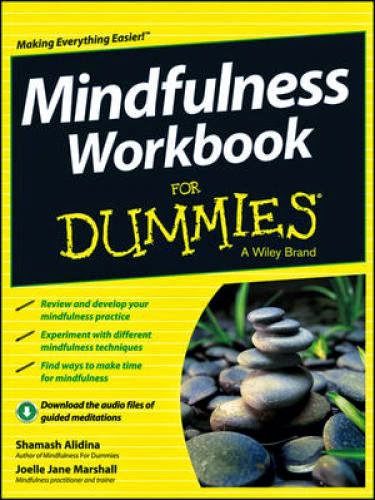
Restore Balance In Your Life With The Mindfulness Workbook For Dummies

Restore Balance In Your Life With The Mindfulness Workbook For Dummies
Do you struggle with ongoing depression, anxiety, stress, fatigue or nagging illnesses? Do you have reoccurring negative thoughts? Does all of this interfere with your daily life? Does it interfere with your your relationships with other or even your job? The For Dummies brand created a book to help you with these struggles in their newest Mindfulness Workbook For Dummies. I received a copy of this book to review. My own opinions are expressed below.

ABOUT THE BOOK FOR PUBLISHER:


RESTORE BALANCE TO YOUR LIFE AND LIVE IN THE MOMENT

Mindfulness is a proven meditation technique that can help you restore balance in your personal life. Now, the author of "Mindfulness For Dummies" shows you step-by-step how to put the lessons of his book into practice.Inside you'll find a huge number of hands-on exercises and techniques to help you to live in the present, let go of negative, distracting, and judgmental thoughts, and achieve greater happiness and contentment in your life.

* Mindfulness can be applied to a range of conditions, including depression, anxiety, stress, fatigue, or illness
* Practicing mindfulness promotes well-being and improves quality of life
* The audio CD contains guided meditations to enhance the practical guidance within the book

"Mindfulness Workbook For Dummies" gives you the tools you need to pay attention to the present without judgment, and build a happier life.

MY TAKE ON THE BOOK:Here is the breakdown of chapters:PART 1 Getting Started with Mindfulness- Beginning Your Mindfulness Journey and Enjoying the Benefits of Mindfulness- What a great introduction to mindfulness and full of information on what it is, the origins and what it means. There are different types of mindfulness and the books leads you into choosing your learning method. I'M STILL IN PART ONE OF THIS BOOK! IT ISN'T A QUICK READ BECAUSE THERE IS SO MUCH GOOD STUFF FOR YOU TO THINK ABOUT AND SHARE. The part leads you to discover and be in more tun with your body, mind, emotions and how to be yourself. PART 2 Preparing Yourself for Mindful Living-Setting a Healthy Intention and Mindful Attitude and Discovering a Mindful Mode of Mind- This part leads you to discover your intentions and value and how to have mindful attitude and deal with unhelpful attitudes. PART 3 Practising Mindfulness- Engaging in Mindfulness Mediation, Living Mindfully Day to Day, Getting Started on an Eight-week Mindfulness Course and Beyond and Overcoming Difficulties in Mindfulness Practice- I can't wait to get to this chapter and learn more about focusing on breathing mediation as well as all the other mediation exercises.There is also an 8 week course on Mindfulness which is for you to work on with a therapist or by yourself.PART 4 Enjoying the Rewards of Mindfulness-Boosting Your Happiness Mindfully, Using Mindfulness to Reduce Stress, Anger and Tiredness, Reducing Anxiety and Depression with Mindfulness, Healing Your Body Naturally and Bringing the Benefits of Mindfulness to Children- This part looks very helpful in dealing and managing stress. As a mom this will be helpful for myself and to teach it to my teens.PART 5 The Part of Tens- Ten Tips for a Mindful Life and Ten Ways to Motivate Yourself to Mediate-What a good wrap up part and I can't wait to get to it.

This book isn't one that you will zoom through aimless chapter by chapter. It will have you fully engaged and focused. Give it a try!

*

Subscribe to our mailing list


Thanks for stopping in at SusieQTPies Cafe! Serving up family, food and fun.

Saturday, July 14, 2012

3 Week Osho Intensive Meditation Event

3 Week Osho Intensive Meditation Event
Inner Metamorphosis University (I.M.U.), a meditation center in Chicago, is organizing a 3-week Osho Meditation Intensive Event which will run from June 3rd to June 24th 2012. This Osho meditation event includes meditation techniques that take into consideration the physical, mental and emotional difficulties that modern people face and help discover how to live a more fulfilled life. This meditation event in Chicago is open to people from all walks of life. Osho Active Meditations will help one get a new perspective on life.

Amona's quote "This Meditation intensive workshop will not only present a wonderful jump start for beginners but is also perfect for people who have a regular meditation practice at our IMU Meditation Center. Through these unique intense approaches one will discover many surprises within oneself that have been dormant in the unconscious and inhibiting one in subtle ways from being fully alive." Osho's meditations are being practiced regularly by millions of people around the world in hundreds of Osho centers. Osho said, "If one wants to live a more fulfilled life, first one should to know ones potential, who one really is. Meditation is the route to that knowing. It is the science of awareness."

Each day of this meditation event is split into morning and evening meditation sessions. In the morning session, the participants will be guided through two sessions of meditation: the Osho Dynamic Meditation which is an hour long intense meditation and a perfect way to kick start the day. It is followed by half hour break for shower and tea in silence. The second meditation of the day is the Osho Vipassana Meditation, in which the participants learn the process of watching themselves without interfering with or judging whatever comes into notice.

The evening sessions are also split into two meditations: the Osho Kundalini Meditation which is designed for people willing shake off all the stress gathered through the day and the Osho Discourse that focuses more on getting participants to experience inner silence. Additionally, the breakfast and dinner, which is essentially all organic and vegetarian, is also included in the workshop.

Moreover participants may be pleased to know that the events is arranged in such a flexible way that they can also choose to attend all or just some selected meditations in either a one week or a two-week format in our meditation center, though, the full three-week workshop remains the best option.

A free questions and answers session will also be organized ahead of the Intensive Meditations Workshop to let people know what to expect. This will be offered on Saturday, May 26 from 5:30pm to 7:00pm. Finally, Inner Metamorphosis University as the venue of this meditation intensive event is an ideal meditation center in Chicago for participants to always enjoy their meditation experience. IMU has been helping people deepen and celebrate their life through meditation for more than 7 years now. Apart from the Osho Meditation Intensive Workshop, IMU organizes a variety of workshops, retreats and meditation events in Chicago to discover and enhance a state of inner peace and silence which is the basis for spontaneity, joy and celebration.

For more information about how to register for these classes at the Inner Metamorphosis University at the north side of Chicago in Rogers Park, kindly contact us by visiting: www.Lifesurfing.org Read More @ Source

HOW TO MEDITATE - SUE SOUCY VIDEO BLOG #9

suesoucy.com Check out this website that lists 100 benefits of meditation!... www.ineedmotivation.com I'm recording this video blog so that I can have the videos transcribed and made into a book. I have a great passion for helping people make their lives better and recommend meditation as a wonderful tool to improve all areas of your life. Please leave your comments and subscribe. Thanks so much! xoSue VIDEO RATING: 5 / 5

Monday, February 6, 2012

Yoga Sutras The Means To Liberation

The Yoga Sutras were compiled about 2,000 years ago by the sage Patanjali from an oral tradition reaching back into unknowable antiquity. He gives us the essential wisdom for the practice of yoga and meditation to know, first hand, the essence of our true Self-the conscious indweller that enlivens this body. Experiencing the fully conscious state shows us the essential transcendent nature of the universe to bring us a state of undisturbed joyous tranquillity. Traditionally, this wisdom has been handed down from master to student as a transmission of the means to liberation. Patanjali tells us that the pure blissful inner Self is already attained and all that is required is to lose interest in that which is not the Self. This is pretty straight forward, and we learn all we need to know in the first three sutras. Presuming we will not get it the first time, he goes on to detail the nature of the Self, the practices that will awaken us, the attainments that arise from the practices and then explains about the state of final liberation. Throughout the book we are reminded of two fundamental practices that lead to the final state, kaivalya. One practice is vairagya (dispassion, non-attachment) and the other is viveka (discrimination). In the practice of viveka, we learn to discriminate between the mind and the watcher of the mind (consciousness itself). When we can rest in the state of consciousness knowing itself; we answer the question, "Who am I?"Also available from this author: The Inner Yoga of Happiness

Thursday, June 23, 2011

Buddhist Meditation

Buddhist Meditation
A good dharma lesson from Ajahn Brahm at Tricycle Magazine.STEPPING TOWARDS ENLIGHTENMENT How deep can your meditation go? Thai forest monk Ajahn Brahm traces the path from mindfulness to profound meditative states through the sixteen steps of anapanasati. By Ajahn Brahm THE ESSENCE OF BUDDHISM is the enlightenment of the Buddha. Many centuries ago in India, the wandering monk Gautama remembered a childhood experience of "jhana," mental or meditative absorption, and realized that jhana is the way to awakening. He went to a quiet stretch of forest on the banks of a great river, sat on a cushion of grass under a shady fig tree, and meditated. The method of meditation that he used is called "anapanasati," mindfulness of the in and out breaths. Through this practice, he entered jhana, emerged, and quickly gained the insights of enlightenment. Henceforth he was called the Buddha, the Awakened One. The Buddha continued to teach anapanasati for the remainder of his life. It was the method that had given him enlightenment, the meditation practice par excellence, and he imparted that same method to all his disciples both in the monastery and in the city. This foremost method of meditation is bequeathed to us today in the original Buddhist texts as part of many suttas, but most notably the "Anapanasati Sutta." The Buddha described the practice of anapanasati as consisting of preliminary preparations followed by sixteen steps. The first twelve of those steps are instructions for entering jhana, and the final four steps are instructions on what to do when you emerge. Before giving instructions for experiencing the bliss and beauty of jhana, I will briefly cover the preliminary stages of meditation. If you pass through these initial stages too quickly, you may find that the preparatory work has not been completed. It's like trying to build a house on a makeshift foundation-the structure goes up very quickly, but it may come down too soon! You would be wise to spend a lot of time making the groundwork and foundations solid. Then, when you proceed to the higher stories-the ecstatic states of meditation-they will be stable. Foremost, the Buddha said, go to a quiet place where you will not be disturbed by people, sounds, or things like mosquitoes. Tough guys might want to meditate in mosquito-ridden jungles or in the middle of tiger paths, but this is more likely to build only endurance and not the ease of jhana. The Buddha instead praised pleasant places like orchards or parks similar to Bodh Gaya, where he gained enlightenment. Next, sit on a comfortable seat. You may sit on a cushion, on a bench, or even on a chair as long as it isn't too comfortable. The comfort required for success in breath meditation is that level where your body can be at ease for long periods of time and also alert. You are now asked to set up mindfulness "in front of you," to give it priority. We establish this preliminary level of mindfulness by practicing present-moment awareness (giving up the baggage of past and future) and then silent present-moment awareness (refining your practice of being with every experience as it happens to the level where you do not have the space for inner speech). When you let go of the past, you will be free in the present moment. As for the future-the anticipations, fears, plans, and expectations-let that go too. Now you should proceed to the even more beautiful and truthful silence of the mind. A useful technique for developing inner silence is recognizing the space between thoughts. Attend closely with sharp mindfulness when one thought ends and before another begins-"there!" That is silent awareness! It may be only momentary at first, but as you recognize that fleeting silence, you become accustomed to it; the silence lasts longer. You begin to enjoy the silence and that is why it grows. But remember, silence is shy. If silence hears you talking about her, she vanishes immediately. The mind can do wonderful and unexpected things. Meditators who are having a difficult time achieving a peaceful state of mind sometimes start thinking, "Here we go again, another hour of frustration." But often something strange happens; although they are anticipating failure, they reach a very peaceful meditative state. My first meditation teacher told me that there is no such thing as a bad meditation. He was right. During the difficult meditations you build up your strength, which creates meditation for peace. We may want to spend much time-months or even years-developing just these first two preliminary stages, because if we can reach this point, we have come a long way indeed in our meditation. In that silent awareness of "just now," we experience much peace, joy, and consequent wisdom. WHEN YOU ARE SILENTLY AWARE of whatever it is that is happening right now, in front of your mind, then you have established the level of mindfulness required to begin progressing along the sixteen steps of anapanasati. In steps one and two the Buddha says to first experience long breaths and then experience short breaths. You do not need to control your breathing to fulfill the instructions; this will only produce discomfort. Instead, you are meant to simply observe the breath long enough to know whether it is long or short, or, as some practitioners note, deep or shallow, rough or smooth. This gives you more to look at, makes mindfulness of breathing more interesting so that you do not get bored. The third step is experiencing the whole process of breathing. This is where your mindfulness increases its agility sufficient to observe every sensation involved in the process of breathing. You are aware of the in-breath from the very start when it arises out of the stillness. You see the sensations of in-breathing evolve in every moment, reaching its peak and then gradually fading away until it has completely subsided. You have such a degree of clarity that you even see the space, the pause between the in-breath and the next out-breath. Your mind has the attentiveness of a cat waiting for a mouse, as you wait for the next out-breath to begin. Then you observe the first stirrings of the out-breathing. You watch its sensations evolve, changing with every moment, until it, too, reaches a peak and then enters into its decline before fading into nothingness again. Then you observe the pause, the space between the out-breath and the subsequent in-breath. When the process is repeated breath after breath, you have fulfilled the third step, experiencing the whole breath. When you are comfortably at one with the breath, it will calm down automatically. There is so little remaining to disturb your progress that you naturally experience the sensations in each moment becoming softer and smoother, like a piece of rough denim changing into fine satin. Such a refinement of attention is only achieved through a gentle and persistent letting go; it is never attained by the brute force of sheer willpower. At this fourth step you will not know whether it is an in-breath or an out-breath, beginning, middle, or end. As your breath calms down, your attention becomes so refined that all you know is this one moment of breath. As your unbroken mindfulness watches the breath calming down, joy (step five) and happiness (step six) naturally arise like the golden light of dawn on an eastern horizon. This will happen gradually but automatically because all of your mental energy is now flowing into the knower and not the doer. In fact, you are not doing anything, only watching. The sure sign that you are doing nothing is the tranquility of your breath. Mental energy flowing into the knower makes mindfulness full of power, and energized mindfulness is experienced as happiness and joy. The breath at these fifth and sixth steps appears so tranquil and beautiful-more attractive than a garden in springtime or a sunset in the summer-that you wonder if you will ever want to look at anything else. As the breath becomes ever more beautiful, as the joy and happiness grow in quiet strength, your breath may seem to completely disappear. This seventh step does not happen when you want it to but when there is enough calm. A well-known passage from English literature might help clarify the experience of one's breath disappearing. In Lewis Carroll's "Alice in Wonderland," Alice is startled to see the Cheshire Cat sitting on a bough of a nearby tree and grinning from ear to ear. Like all the strange creatures in Wonderland, the Cheshire Cat has the eloquence of a politician. Not only does the Cat get the better of Alice in the ensuing conversation, but it also suddenly disappears and then, without warning, just as suddenly reappears. Alice said, "... and I wish you wouldn't keep appearing and vanishing so suddenly: you make one quite giddy! All right," said the Cat; and this time it vanished quite slowly, beginning with the end of the tail, and ending with the grin, which remained some time after the rest of it had gone. "Well! I've often seen a cat without a grin," thought Alice; "but a grin without a cat! It's the most curious thing I ever saw in all my life." This story is an eerily accurate analogy for the meditation experience. Just as the Cheshire Cat disappeared and left only its grin, so the meditator's body and breath disappear, leaving only the beautiful. For Alice, it was the most curious thing she ever saw. For the meditator it is also strange, to clearly experience a free-floating beauty with nothing to embody it, not even a breath. TWO COMMON OBSTACLES occur after this seventh step: exhilaration and fear. In exhilaration, the mind becomes excited: "Wow, this is it!" If the mind thinks like this, then the jhana is unlikely to happen. This "wow!" response needs to be subdued in the eighth step of anapanasati in favor of absolute passivity. You can leave all the wows until after emerging from the jhana, where they properly belong. The more likely obstacle, though, is fear. Fear arises from the recognition of the sheer power and bliss of the jhana, or else at the recognition that to go fully inside the jhana something must be left behind-"you!" The doer is silent before entering the jhana, but is still there. Inside the jhana, however, the doer is completely gone. Only the knower is still functioning. One is fully aware, but all the controls are now beyond reach. One cannot even form a single thought, let alone make a decision. The will is frozen, and this can be scary for beginners, who have never had the experience of being stripped of control and yet so fully awake. The fear is of surrendering an essential part of one's identity. This fear can be overcome in the eighth step through confidence in the Buddha's teachings, and through recognizing and being drawn to the enticing bliss just ahead. The Buddha often said that the bliss of the jhana should not be feared but should be followed, developed, and practiced often. So before fear arises, offer your full confidence to that bliss, maintain faith in the Buddha's teachings, and let the jhana warmly embrace you in an effortless, bodiless, ego-less, and blissful experience that will be the most profound of your life. Have the courage to fully relinquish control for a while and experience all of this for yourself. Maintain the causes of this bliss. Remain in the stillness, otherwise the bliss will go away. Ajahn Chah's famous simile of the "still forest pool" can help us understand this. When he was wandering in the jungles and forests in Thailand, he'd always try and find a stretch of water when late afternoon came. When he found a pool, stream, or a spring somewhere in the forest, he'd camp nearby overnight. Sometimes after drinking and bathing and settling in, Ajahn Chah would sit in meditation a few yards away from the pool. He said that sometimes he used to sit so still with his eyes open that he would see many animals coming out of the jungle. They wanted to bathe and drink as well. He said they would only come out if he sat very, very still. When they emerged from the bushes they would look around and sniff to see if it was safe. If they detected him, they would just go away. But if he sat absolutely still, the animals wouldn't be able to hear him. They wouldn't even be able to smell him. Then they would come out and drink. Some would drink and play in the water as if he weren't there. He said sometimes he was so still that, after the ordinary animals came out, some very strange animals emerged, beings whose names he didn't know. He'd never seen such extraordinary creatures before. His parents had never told him about them. These wonderful creatures came out to drink, but only if he was "absolutely still." This is a well-drawn simile of what happens in deep meditation. The pool or the lake is a symbol for the mind. At this eighth step of anapanasati you are just sitting before it and watching. If you give any orders, you're not being still. Beautiful creatures, like jhanas, will approach only if you're absolutely still. The ordinary ones come out first, then the very beautiful ones, and lastly the very strange and wonderful ones. These last are the amazing experiences that you have no names for, the ones you never imagined could exist because they're so strange, so blissful, so pure. These are the jhanas.Read the rest of the article.Tags: Ajahn Brahm, Stepping Toward Enlightenment, Tricycle, Buddhism, meditation, meditative states, sixteen steps, anapanasati, jhanas, Buddha

Saturday, January 22, 2011

What Is Spiritual Yoga

What Is Spiritual Yoga
Yoga is normally credited to two great, spiritual stalwarts: Lord Sri Krishna and the sage Patanjali. The Yoga of the sage Patanjali is more popular nowadays and consists largely of 2 parts - Hatha and Raja Yoga.

Let's understand how it works. ACCORDING TO THE YOGA OF PATANJALI THERE ARE 3 LIMBS AND HENCE IT IS CALLED ASHTANGA YOGA. THEY ARE:

* Yama (observances)
* Niyama (restraints)
* Asana (posture)
* Pranayama (breath control)
* Pratyahara (sense withdrawal)
* Dharana (concentration)
* Dhyana (meditation)
* Samadhi (a state of supreme Bliss)

Hatha Yoga (steps 3 and 4) largely deals with the body, its purification and maintenance. Spiritual Yoga, on the other hand embraces all 8 steps and in particular the remaining 6. They constitute the practice of what is called Raja Yoga. This is more in keeping with the teachings (Upadeshas) of the Lord, Sri Krishna in the Bhagavad Gita.

Spiritual Yoga is more concerned with spiritual purity and cleansing and, as such, comprises all those practices that achieve those ends. For this one has to be pure of behavior. Hence the importance of the practice of Yamas and Niyamas. Breathing exercises helps burn the thoughts running through the mind and helps bestow calm and tranquility hence the importance of Pranayama.

This done, the Yoga practitioner, willfully, withdraws - his her / interest - from sense objects and sensory pleasures. Again a reflection of the teachings of Sri Krishna in the Bhagavad Gita: "only he who revels in the joy of the Self, abides by the Self, relies on the Self for everything is a true Yogi, Oh Arjuna"

Withdrawal of the senses facilitates the practice of concentration and then meditation (prolonged concentration). Once the Yoga practitioner is able to sit in meditation, the rest comes easily. Almost of its own accord. Then again, Spirituality is an evolving process, so there is no saying when one has reached the summom bonum of life.

Thursday, December 9, 2010

The Georgian Church And The Growing Interest In Yoga

The Georgian Church And The Growing Interest In Yoga
Molly CorsoAugust 31, 2012EurasianetA growing number of Georgians are turning to yoga to shake off the stress of daily life. But their quest for inner calm and smaller waists is generating hostility from the powerful Georgian Orthodox Church.Over the past two years, yoga has gone from a largely unknown Eastern tradition to a popular fitness routine in the Georgian capital, Tbilisi. Georgian National Yoga Federation President Giorgi Berdzenishvili, a passionate practitioner for the past 15 years, called the trend a "dynamic" process that started under former Soviet leader Mikheil Gorbachev's glasnost' policies in the late 1980s.During the Soviet era, when religious beliefs were discouraged, yoga tended to be viewed as a fringe health-oriented practice, devoid of spirituality, Berdzenishvili noted. But slowly, over the past several years, amid increased Internet usage and travel abroad, yoga has moved into the mainstream in Georgian society.Today, yoga's popularity is at an all-time high, instructors say. Classes are full, leading to the opening of several new studios in Tbilisi over the past year. This phenomenon has some Georgian Orthodox priests worried, due to yoga's spiritual roots in Hinduism, and its perceived association with Buddhism.While the Patriarchy, the body that governs the Georgian Orthodox Church, did not respond to requests from EurasiaNet.org for the Church's official position on yoga, dozens of websites devoted to the faith have published articles and blogs that are critical of the practice.Orthodoxy.ge, a website run by priests at Sioni Cathedral, the former headquarters of the Georgian Orthodox Church, warns the faithful that yoga is full of false "charms" that lure people away from God.In a long entry entitled "Eastern Culture," the priests caution that even people who perform "simple yoga exercises... gradually develop some spiritual thoughts" (a broad reference to meditation) that are not compatible with Christianity.The Church is widely viewed as the most trusted institution in Georgia, and, by extension, Georgian Orthodox priests often wield considerable influence, providing guidance on everything from family planning to purchasing a car.Local yoga instructors told EurasiaNet.org that priests' concerns about yoga have stopped some Georgians from taking up the discipline, and have prompted others to abandon it. Mariam Ubilava, a certified yoga teacher at Sun Yoga Tbilisi, said that newcomers often ask before class if meditation is part of the program. "Georgians don't like meditation so much," Ubilava said. "Georgians are very strong in their religion and they think if they start meditation, this is related to Buddha and India, and they avoid [it]."Three years ago, when 38-year-old Nino Kokosadze decided to take up yoga, she noticed that some of the women attending her early morning yoga classes bowed out of the group after their priests "forbade" them from attending.Kokosadze, who turned to yoga to help with chronic back pain, decided after a few lessons to check with her priest as well. "I am Orthodox, a religious person and already six years I am attending church," she said during a break at an outdoor yoga session not far from downtown Tbilisi. But Kokosadze's priest took a more tolerant view. "I told him that some priests prohibited it," she recounted. "He said that those who know what is yoga won't prohibit it."Many Georgians simply need more information about yoga and meditation, said yoga instructor Ubilava. "[Meditation] doesn't mean that you become Buddhist or following [sic] the Buddhist religion. It means you forget your daily life, meditate on something."Nidhin Kochath Sugathan, a yoga instructor from the Indian state of Kerala, agrees, saying he'd encountered the same concern when he started teaching at Tbilisi's Yoga Ananda studio. "Georgians had the wrong knowledge that yoga means sitting in the lotus position and chanting only," Sugathan said.With time, as practitioners realized that "[b]y chanting one 'Om,' they're not going to change their religion," the objections vanished, he said.Nonetheless, after conversations with priests, National Yoga Federation President Berdzenishvili decided to develop a more culturally sensitive version of yoga practice for use in the federation's classes; one that focuses on fitness, rather than meditation, and does not encourage participants to adopt yoga "spiritual names" or specific forms of dress.Olga Ramer, the owner of Tbilisi Yoga Cave, one of the first yoga studios to open in the city, noted, that most Georgians today appear as interested in both the spiritual and physical aspects of yoga. "I would say there are more expats who are interested just in [the] physical part," Ramer said. "The locals who come are actually very spiritual and they want both the physical and the spiritual."Those dual aspects of yoga have paid off for Kokosadze, who says that, after three years of regular yoga practice, her back is feeling better and her spiritual life has improved with the stronger powers of concentration acquired from yoga. The three-hour church services she attends each week "pass like a minute because now I am focused on what is happening.""[Yoga] has really helped me to concentrate on the main thing," she said. "You realize what is the most important in your life."